

2nd October 2026
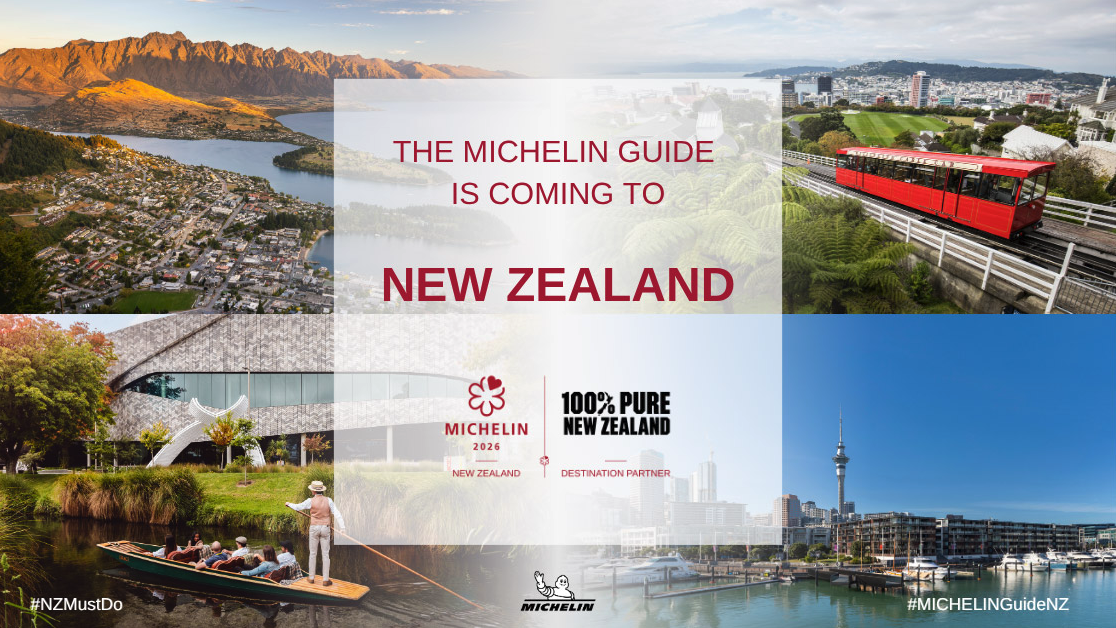
New Zealand’s hospitality scene is about to hit a global high note: the MICHELIN Guide is expanding into New Zealand, with Aotearoa’s culinary capitals — Auckland, Wellington, Christchurch, and Queenstown — all in the spotlight.
This is not just a win for chefs and restaurants. It is a signal that New Zealand is increasingly being recognised as a place of world-class quality, craft, and hospitality.
Here’s a breakdown of what’s happening and why it matters for Aotearoa New Zealand’s food story.
What’s New with the MICHELIN Guide in NZ
Touring MICHELIN inspectors are already in Aotearoa, dining anonymously to evaluate restaurants.
The first New Zealand edition of the Guide is expected in mid-2026, covering four key regions: Auckland, Wellington, Christchurch, and Queenstown.
New Zealand’s inclusion follows a $6.3 million investment from the Government, through Tourism New Zealand and the International Visitor Levy, to bring MICHELIN here.
MICHELIN has described Aotearoa New Zealand’s culinary landscape as being shaped by indigenous Māori heritage, Pacific influences, local produce, creativity and passion.
According to Government estimates, MICHELIN’s arrival could bring up to 36,000 extra international visitors, with food and wine being a key motivator for travel.
Why It Matters for New Zealand Hospitality
With MICHELIN recognition, New Zealand’s hospitality reputation is strengthened. It is not just individual chefs and restaurants on the world stage — the country as a whole is being seen as a place of quality, sophistication, cultural depth and exceptional food experiences.
MICHELIN can drive culinary tourism, but the impact goes wider than restaurant bookings. As New Zealand becomes more attractive to high-value visitors, there is greater opportunity for the wider hospitality, tourism, food production and events sectors to benefit from increased international attention.
The emphasis on authenticity, heritage and local identity in MICHELIN’s evaluation speaks directly to the way Aotearoa tells its food story — through te ao Māori, manaakitanga, local produce, seasonality and deep connections to whenua. This is a reminder that New Zealand’s local stories can carry genuine international appeal.
The Guide’s arrival signals confidence from international gatekeepers. It is a sign that investment into New Zealand hospitality is being taken seriously, and that the work being done by chefs, producers, growers, hosts and restaurateurs is part of a much bigger global conversation.
As restaurants strive for MICHELIN standards, there is also a broader culture shift toward excellence. This ripple effect can encourage stronger networks across the food and hospitality sector, raising the bar for service, creativity, sustainability and storytelling across the industry.
Here at Collaborate Management, we're proud to represent some on the countries best chef's and excited that Henry Onesemo, of TALA, Nick Honeyman and Zennon Wijlens of Paris Butter will likely get the global recognition they so rightfully deserve at the upcoming MICHELIN Guide Restaurant Selection, 30 June, 2026.
#MichelinGuideNZ
#MichelinStar26
© 2026 Collaborate NZ