
2nd October 2026
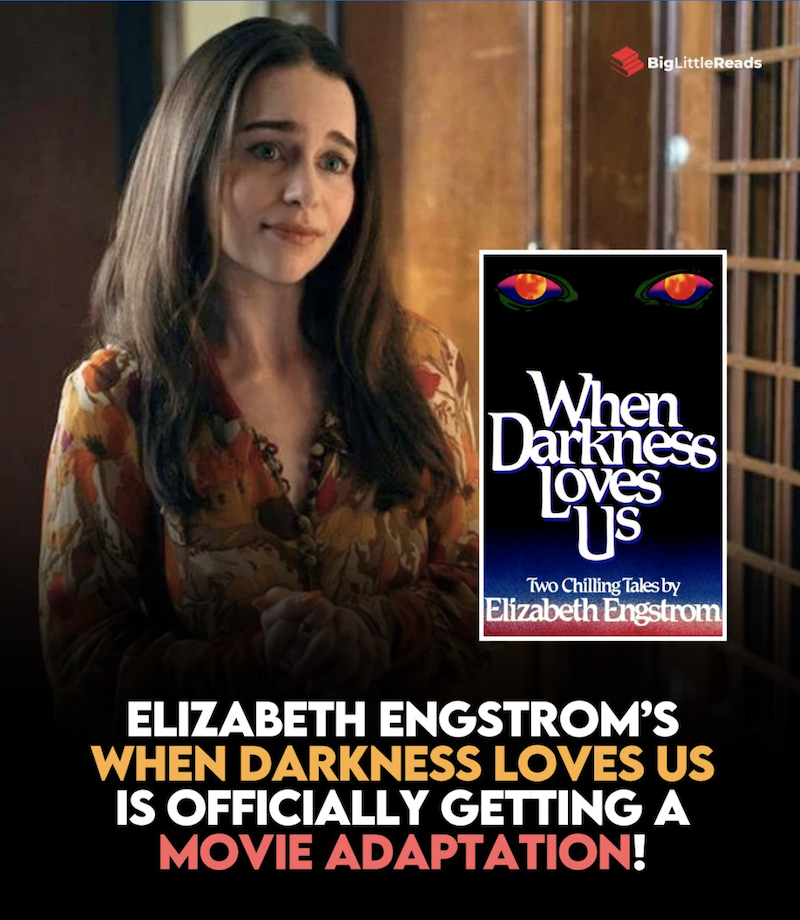
There’s a particular kind of energy when a global film lands on New Zealand soil and builds something ambitious from it. When Darkness Loves Us, due for release in 2027, is shaping up to be exactly that kind of project — a psychologically charged horror film with serious international weight, made right here in Aotearoa.
Based on Elizabeth Engstrom’s 1985 cult novel, this adaptation leans into a story that is already deeply unsettling. The original book, When Darkness Loves Us, has long been known in horror circles for its intensity and emotional darkness, and Engstrom herself is regarded as a distinctive voice in literary horror. Translating that kind of material to screen is no small task, and it signals real intent from the filmmakers involved.
That intent becomes even clearer when you look at the team behind the film. The project is directed by James Ashcroft, a New Zealand filmmaker with a growing reputation for tension-driven storytelling. His award-winning feature Coming Home in the Dark established him as a director unafraid of psychological weight, while his involvement in large-scale studio filmmaking such as Godzilla x Kong: The New Empire shows a rare ability to move between intimate and expansive storytelling worlds.
Production is anchored locally, with New Zealand producer Desray Armstrong leading the charge. Armstrong’s experience within the local screen industry brings a grounded understanding of how to deliver international-scale projects from New Zealand. Alongside her, executive producer Ant Timpson adds serious genre credibility. Timpson has long been a driving force behind New Zealand’s horror and independent film scene, with a track record that includes internationally recognised cult titles and festival success.
What makes When Darkness Loves Us particularly compelling is how strongly it reflects New Zealand’s creative ecosystem, even while carrying a globally recognisable cast. It is not just filmed here; it is shaped by New Zealand voices at every level of production.
At the centre of the cast is Emilia Clarke, widely recognised for her defining role in Game of Thrones. Clarke brings a level of international visibility that immediately positions the film on the global stage, but she has also consistently chosen projects that challenge her range. Her involvement signals a film that is not just genre-driven, but character-led.
Victoria Pedretti adds further psychological depth to the cast. Known for her work in You and more recent projects such as Forbidden Fruits, Pedretti has built a reputation for emotionally complex performances. Her work in psychologically driven series has earned critical recognition, making her a natural fit for material that demands nuance and intensity.
Natascha McElhone brings a different kind of legacy to the screen. With roles in films like The Truman Show and the cult classic Ronin, as well as television work including The Crown, she adds a layer of experience and gravitas. McElhone’s career spans decades and genres, and her presence often signals a project with substance.
New Zealand’s own Marlon Williams is another key part of the cast, and his involvement is particularly significant locally. While widely known as an internationally acclaimed musician, Williams has steadily built a screen career, including roles in A Star Is Born and Netflix’s Sweet Tooth. His transition into acting continues to gain traction, reflecting the breadth of talent emerging from New Zealand’s creative industries.
The film also features a broader ensemble that reflects the strength of local casting. While not all names have been publicly announced yet, it is understood that additional New Zealand actors are involved, represented by leading local talent agencies, including Collaborate Management. That presence reinforces what the industry already knows — that New Zealand is not just a location, but a talent pipeline capable of supporting international productions at every level.
From an industry perspective, When Darkness Loves Us sits in a growing wave of New Zealand-based productions that are attracting global attention. The combination of experienced local producers, internationally recognised cast, and strong source material creates a project that is both creatively ambitious and commercially viable.
There is also something strategically important here. Films like this don’t just exist in isolation; they shape perception. When international studios, distributors, and audiences see high-quality work emerging from New Zealand, it reinforces the country’s position as a serious player in global screen production. That has a direct impact on opportunities for actors, presenters, and creative talent across the board.
For Collaborate, this kind of project speaks directly to what we see every day. New Zealand talent is ready, capable, and increasingly visible on the world stage. Whether it’s established names or emerging performers stepping into major productions, the trajectory is clear.
As When Darkness Loves Us moves toward its 2027 release, it will be one to watch — not just as a horror film, but as a reflection of where the New Zealand screen industry is heading. The story may be rooted in darkness, but the opportunity it represents is anything but.
© 2026 Collaborate NZ